Exploring Two Different Digital Trading Models
Exploring Two Different Digital Trading Models[edit | edit source]
Tarkov’s Market vs. Ultimate Team’s Economy
https://i.postimg.cc/mDrCtyK0/fut-trading.jpg
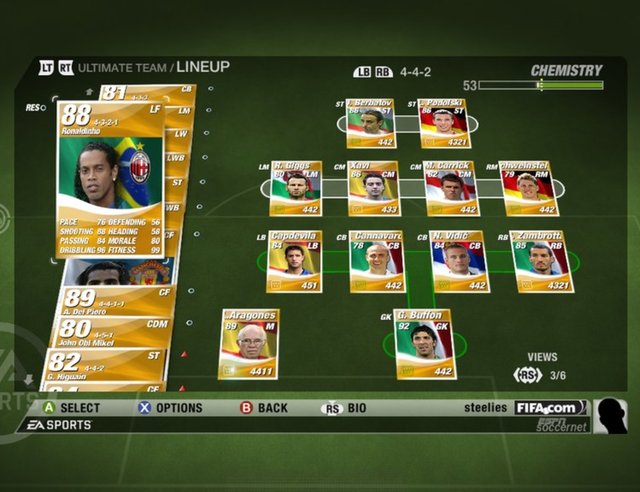
Exploring Two Different Digital Trading Models
Today’s digital games involves more than just playing matches. In-game markets have become central to how players engage. Among the most discussed examples are Tarkov’s Market vs. Ultimate Team’s Economy, two systems that serve entirely different goals. Should you need Ultimate Team’s Economy vs. Tarkov’s Market at this link you will find more detailed information!!
What Job Are Players Trying to Get Done?
https://i.postimg.cc/FHQSj42b/fc24-ultimate-team-trading-guide.jpg
Building Competitive Advantage
• FIFA Infinity’s Ultimate Team: The player’s main job is to gather top football cards. Progress is tied to both status and performance. • EFT trading system: Players’ core job is tactical preparation. It enables players to gain necessary survival gear.
Managing Pace of Advancement
• FIFA Infinity’s card economy: Quick trades, fluid prices, immediate results. • Escape from Tarkov’s Flea Market: Challenging, tactical, and intentionally difficult.
Ultimate Team vs. Tarkov in Detail
1. The FUT system:
• Prices react to live football results.
• Built for accessibility and mass participation. Promotes endless cycles of upgrades.
2. Tarkov’s Market:
• Centered on scarcity and realism.
• Focuses on depth and strategy.
• Mirrors real economic pressure.
What Gamers and Creators Can Learn
https://i.postimg.cc/vm06F6DX/image.jpg
For Players
Those seeking speed and prestige should look at FIFA Infinity. If the job is strategic survival, Tarkov’s market wins.
Lessons for Game Designers
Sports-linked economies highlight retention power. Its design illustrates the value of complexity in retention.
Conclusion
Analyzing Ultimate Team’s Economy vs. Tarkov’s Market highlights two contrasting approaches to virtual economies. One thrives on speed and accessibility, the other on scarcity and realism. Both examples show that retention grows when economies match real player goals.